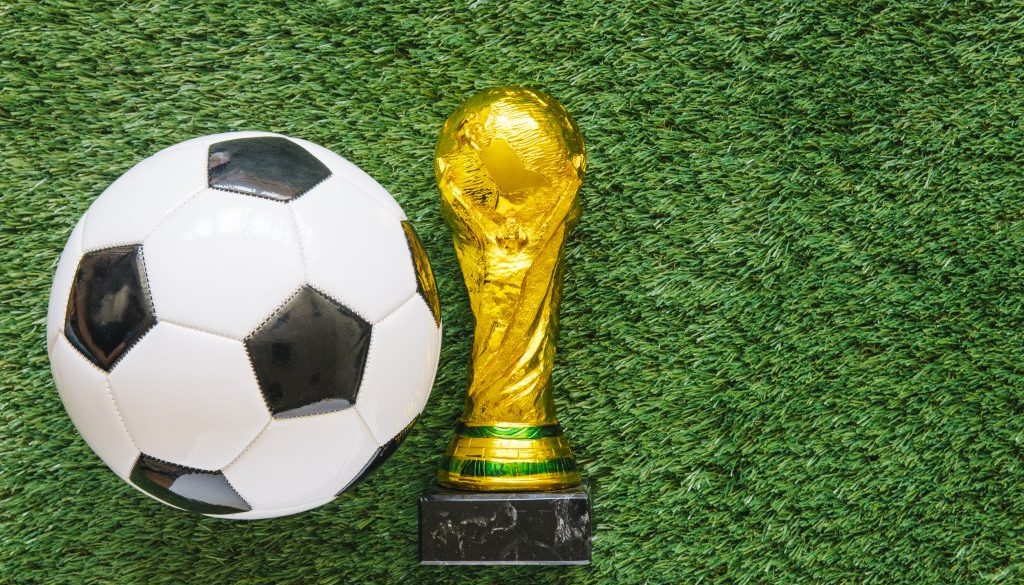
FIFA World Cup 2026: The Ultimate Guide to Football’s Most Exciting Tournament
FIFA World Cup 2026
The FIFA World Cup is the most anticipated sporting event in the world, bringing together football fans, nations, and players in a celebration of skill, passion, and competition. Held every four years, the tournament showcases the best national teams from across the globe, creating unforgettable moments and uniting millions of fans. In this blog, we’ll explore the history, significance, format, and highlights of the FIFA World Cup, along with why it continues to captivate audiences worldwide.And The Upcoming FIFA World Cup 2026 is happening on Thu, 11 Jun, 2026 – Sun, 19 Jul, 2026
A Brief History of the FIFA World Cup
The FIFA World Cup was first held in 1930 in Uruguay, making it nearly a century-old tradition in international football. Since then, it has grown into the world’s most-watched sporting event. Legendary players like Pele, Diego Maradona, Zinedine Zidane, and Lionel Messi have left their mark on this prestigious tournament. Each edition brings surprises, upsets, and memorable moments that fans cherish for a lifetime.
Why the FIFA World Cup Is So Popular
The popularity of the FIFA World Cup goes beyond football. It is a global cultural phenomenon. Millions of viewers tune in to watch matches, celebrate their national teams, and participate in fan events. The tournament promotes unity, as people from different countries come together to support their teams, making it a unique sporting and social spectacle.
The Format of the Tournament
The FIFA World Cup typically features 32 national teams competing over a month-long tournament (expanding to 48 teams in 2026). The competition is divided into two stages:
-
Group Stage: Teams are divided into groups and play round-robin matches. The top two teams from each group advance.
- Knockout Stage: Includes Round of 16, Quarter-finals, Semi-finals, and the Final. Matches in this stage are single-elimination, where the winner advances, and the loser is out.
The final match determines the world champion, while the third-place playoff decides the team finishing third.
Host Nations and Iconic Stadiums
Every World Cup has a host nation that provides stadiums, infrastructure, and cultural experiences for visitors. Iconic stadiums like Maracanã in Brazil, Wembley Stadium in England, and Lusail Stadium in Qatar have hosted legendary matches, becoming landmarks in football history. Hosting the World Cup is a matter of national pride, showcasing the country’s culture, hospitality, and love for the game.
Memorable Moments in FIFA World Cup History
Some of the most memorable moments include:
-
1966: England wins its first World Cup at Wembley.
-
1986: Maradona’s “Hand of God” and spectacular goals for Argentina.
-
2010: Spain’s first World Cup win, dominating with tiki-taka football.
-
2018: France lifts the trophy with a young, dynamic team, showcasing modern football evolution.
These moments highlight the unpredictability and excitement that make the FIFA World Cup unforgettable.
FIFA World Cup 2026 and Emerging Trends
Looking forward to FIFA World Cup 2026, fans can expect even more innovation, technology, and global engagement. From advanced VAR (Video Assistant Referee) systems to AI-driven analytics for team performance, the tournament is blending tradition with modern technology. Social media will play a massive role in fan engagement, live reactions, and interactive content, making it accessible to fans worldwide in real-time.
Additionally, teams are focusing on youth talent, fitness innovations, and data-driven strategies, making the 2026 edition of the FIFA World Cup one of the most competitive yet. Fans can expect thrilling matches, surprising upsets, and historic performances.
Why the FIFA World Cup Matters for Fans and Players
For fans, the World Cup is more than a tournament; it’s a celebration of national pride and global unity. For players, it represents the pinnacle of their careers, a chance to achieve glory and leave a legacy. Winning the FIFA World Cup is considered the highest honor in football, and even participating is a dream come true for many athletes.
The tournament also has a broader impact on tourism, local economies, and global broadcasting, making it one of the most influential sporting events in the world.
How to Watch and Enjoy the FIFA World Cup
Fans can watch matches on television, live streaming platforms, or in stadiums if attending the host country. Social media platforms provide live updates, highlights, and fan discussions. Engaging with official FIFA content ensures authentic updates, behind-the-scenes stories, and player interviews. Many fans also participate in fantasy football leagues, adding a competitive and interactive dimension to the viewing experience.
Final Thoughts: The Global Legacy of the FIFA World Cup
The FIFA World Cup remains a symbol of football excellence, passion, and unity. With its rich history, iconic matches, and legendary players, it continues to inspire millions around the globe. Whether you are a die-hard football fan or a casual viewer, the tournament offers unforgettable moments, cultural celebrations, and the thrill of competition. As we approach FIFA World Cup 2025, fans can look forward to new stories, new heroes, and another unforgettable chapter in football history.
The FIFA World Cup is not just a game—it’s a global event that celebrates humanity’s love for football, making it a timeless spectacle.